
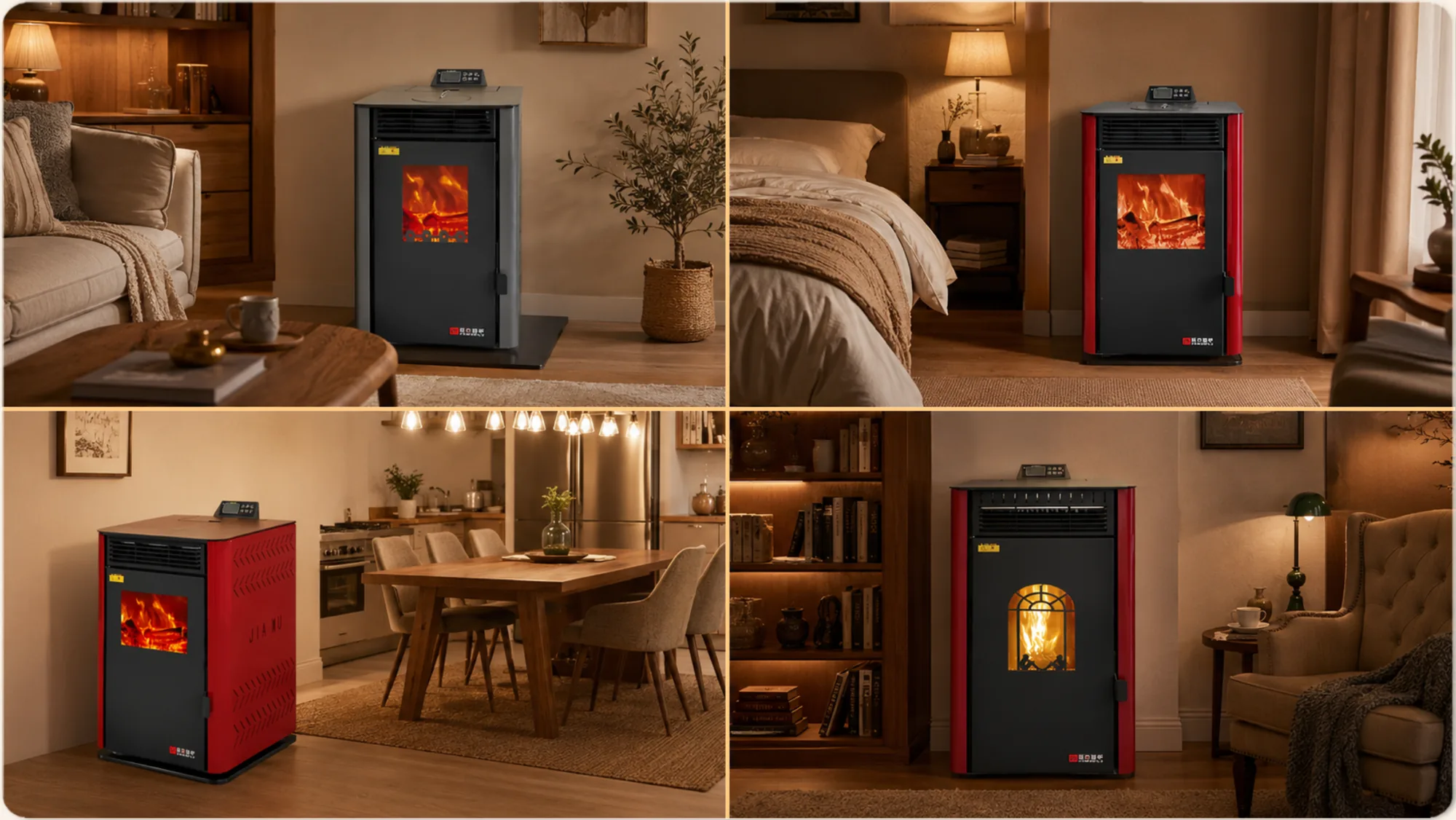
Wood burning stoves · 21 models
The CREPUS collections.
Wood-burning stoves, inset fireplaces and biomass pellet stoves from 50 to 200 m² heating area. All models are available for distribution and private label.
Filter by collection
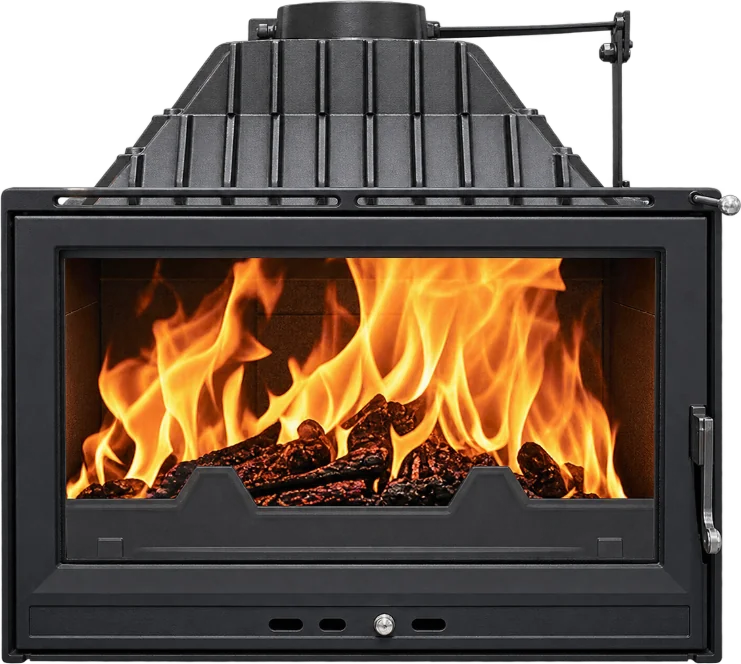
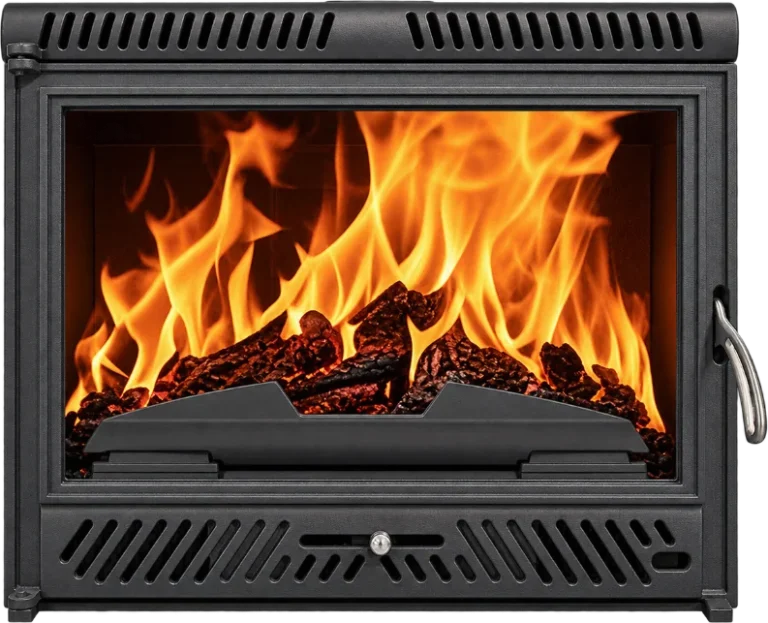
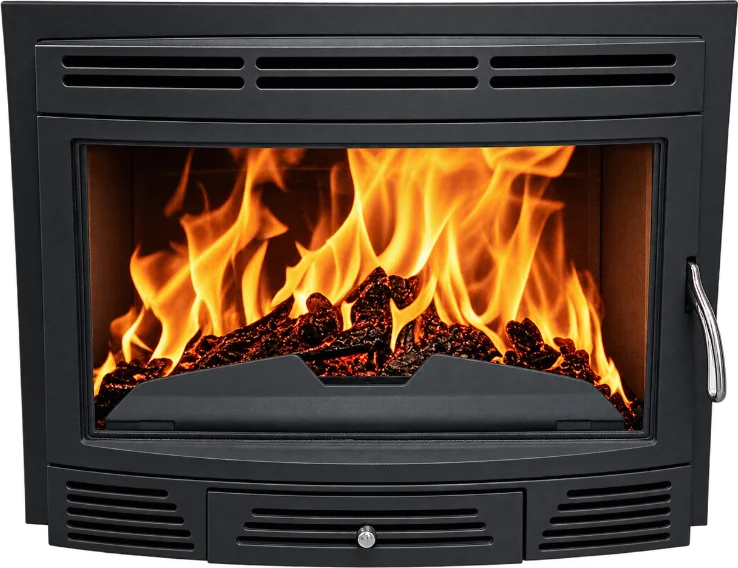
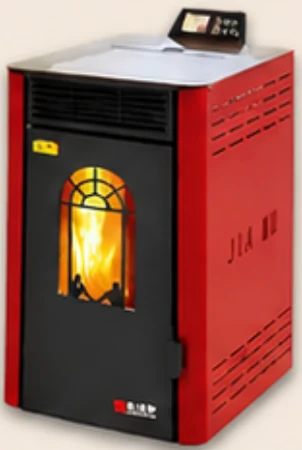
Not sure which model fits your market?
Send us your target price range, heating requirements and certification needs — we will recommend a starter assortment.
Buying guide
How to choose between our wood burning stoves
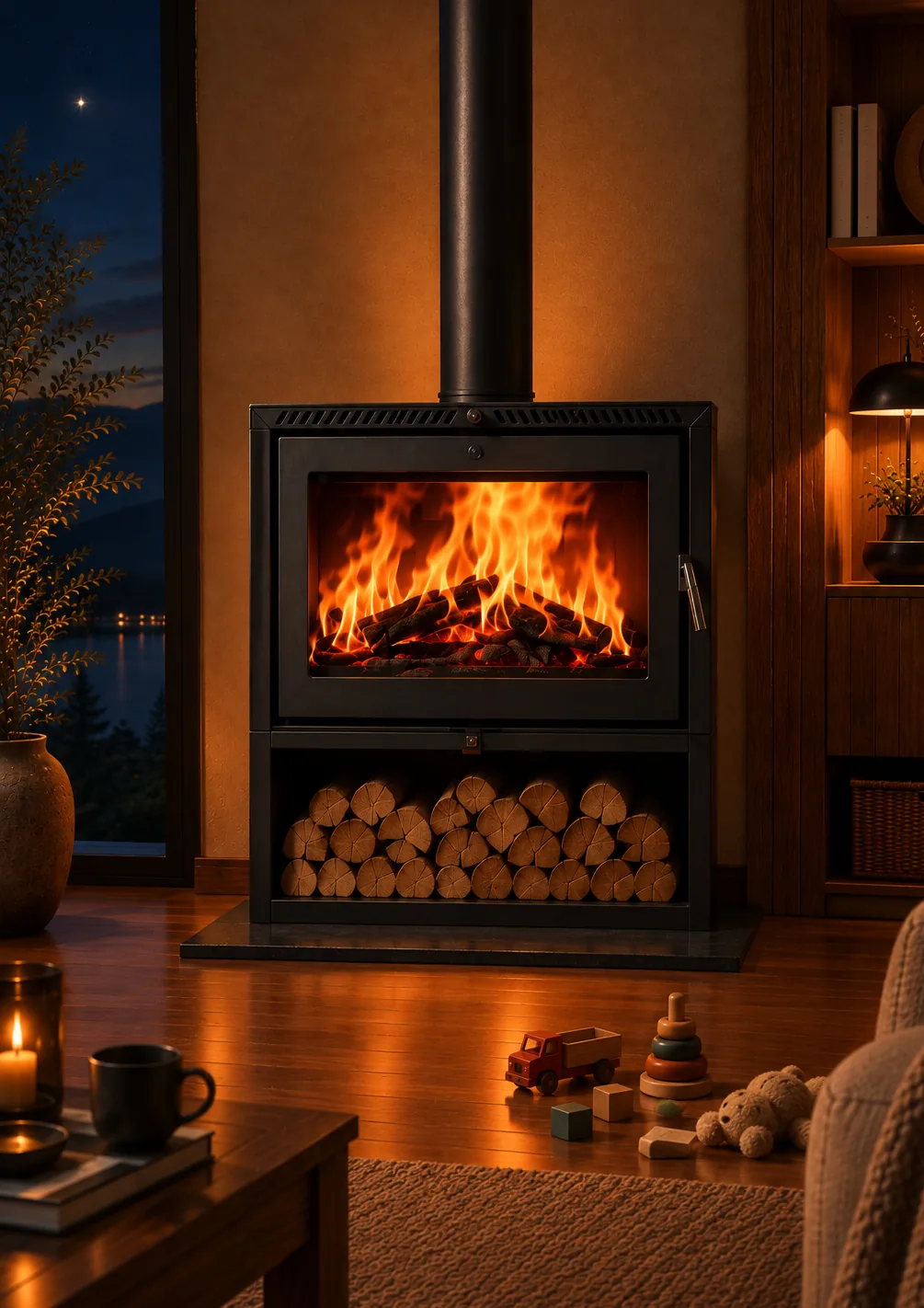
All CREPUS wood burning stoves share the same core: a refractory or vermiculite-lined firebox, primary and secondary air control and an airwash system that keeps the ceramic glass clear. What changes from one collection to the next is the material, the installation type and the way the fire is presented in the room.
Five collections, five roles in your range
- Janus double-sided stoves show the flame in two rooms at once — ideal for open-plan homes, lounges and lobbies (100–150 m²).
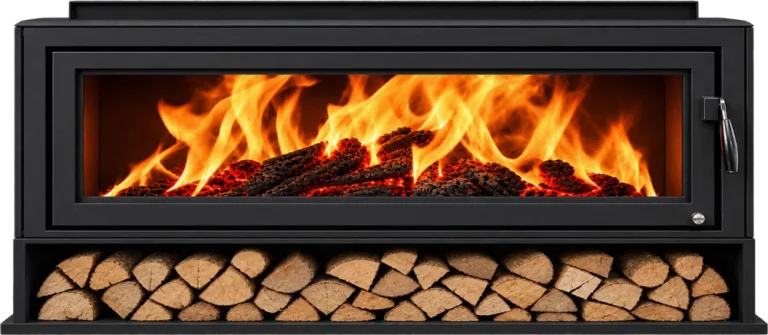
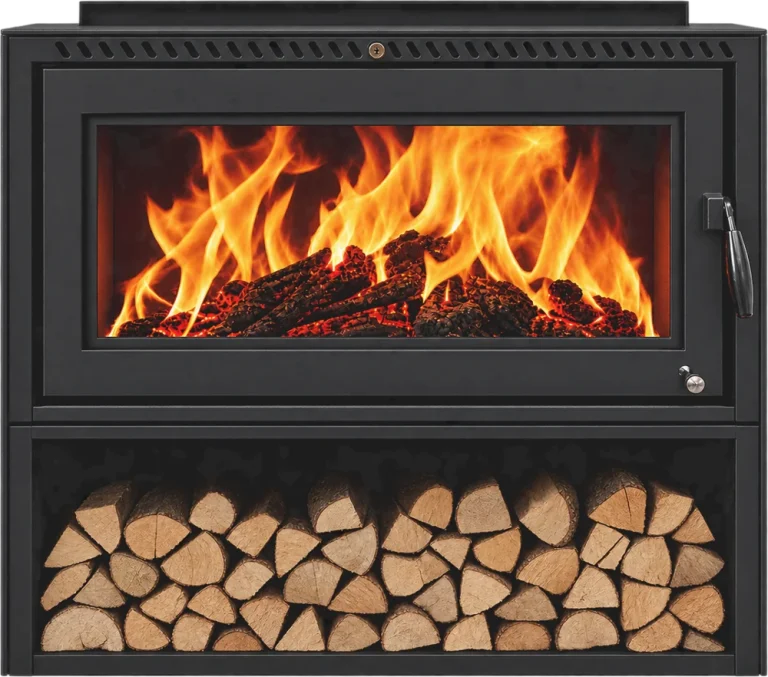
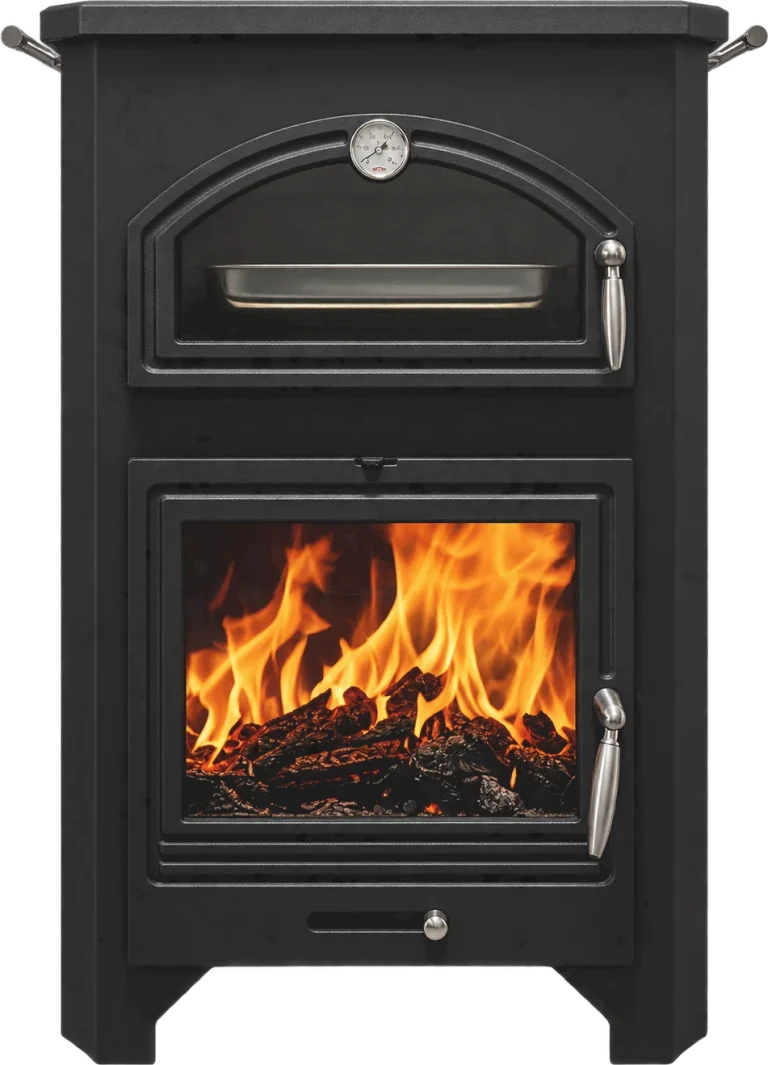
- Vesper steel stoves heat up fast and bring clean, architectural lines, with a log store or a baking oven (80–200 m²).
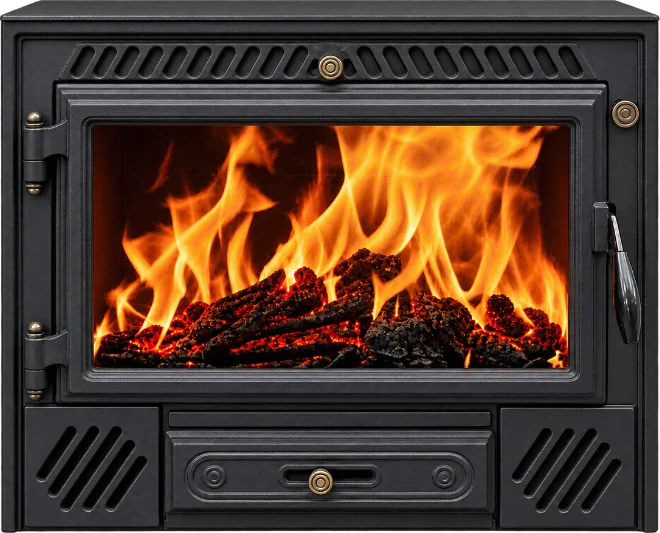
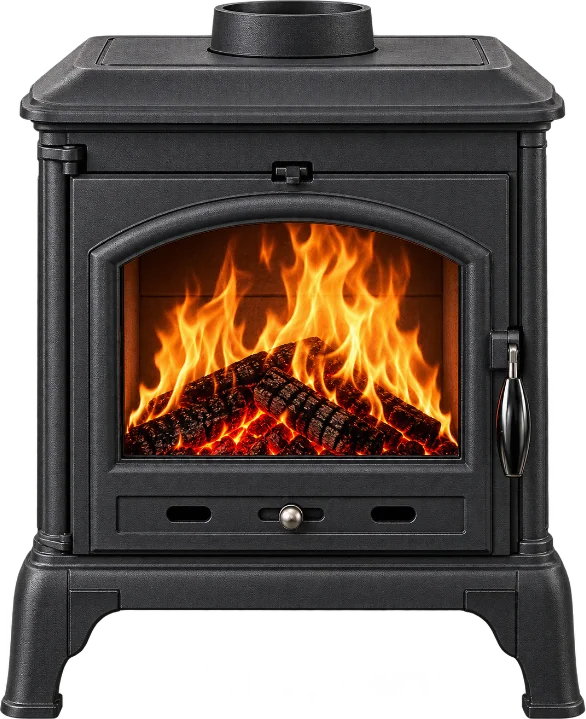
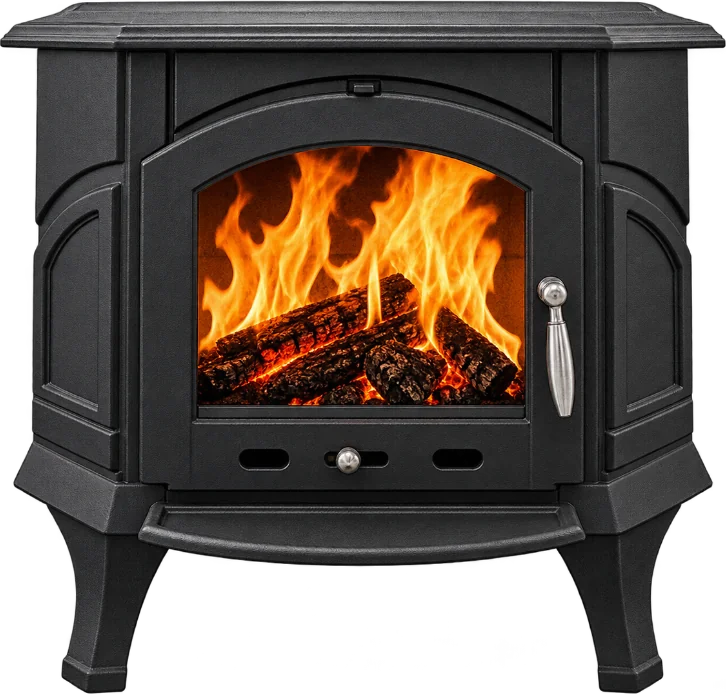
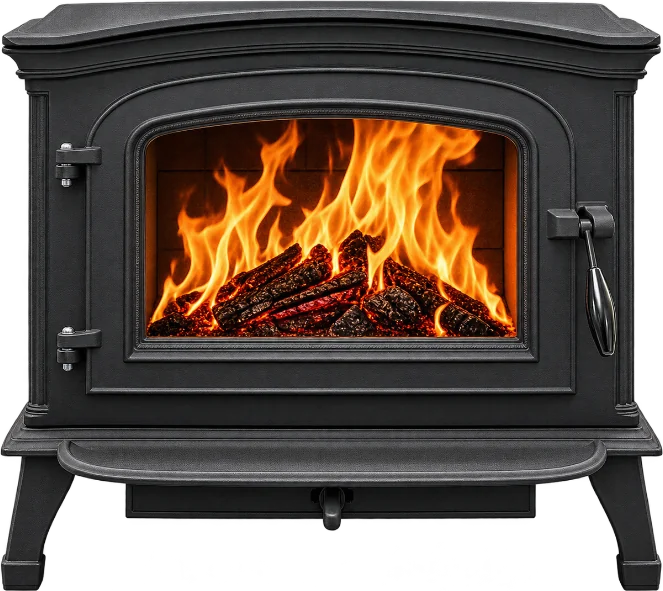
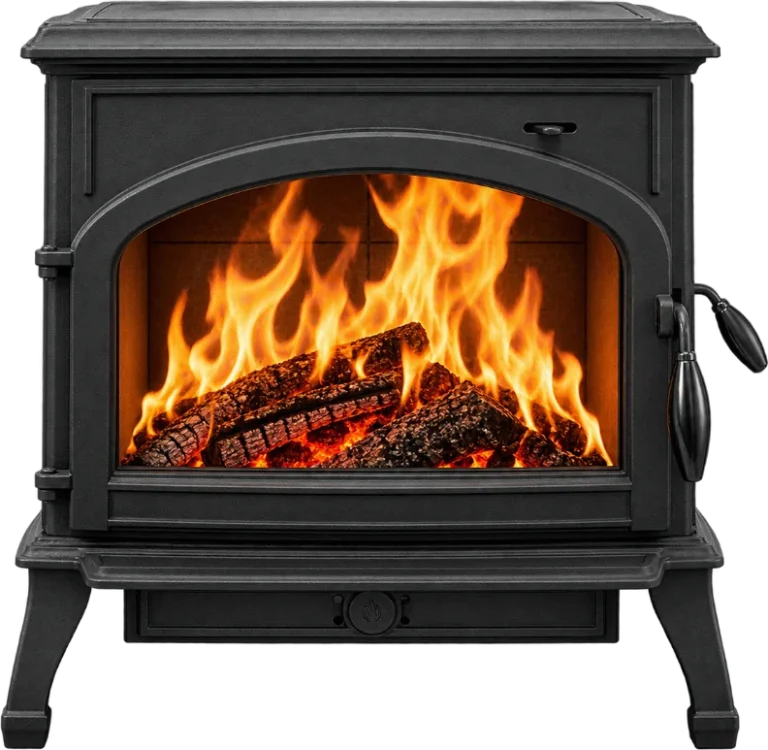
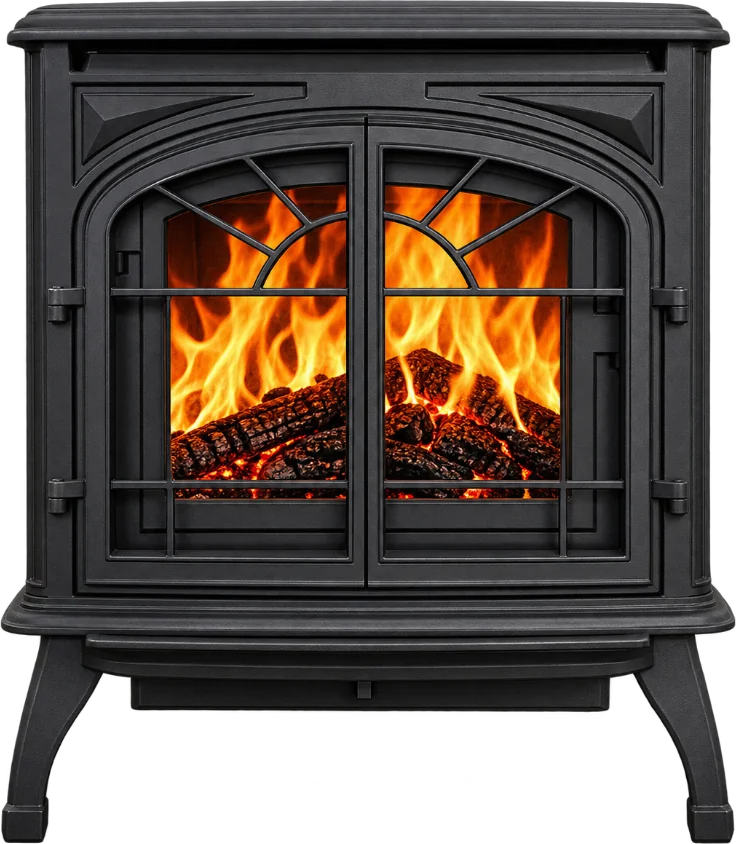
- Vesta cast iron stoves offer classic silhouettes and long heat retention for smaller rooms (50–120 m²).
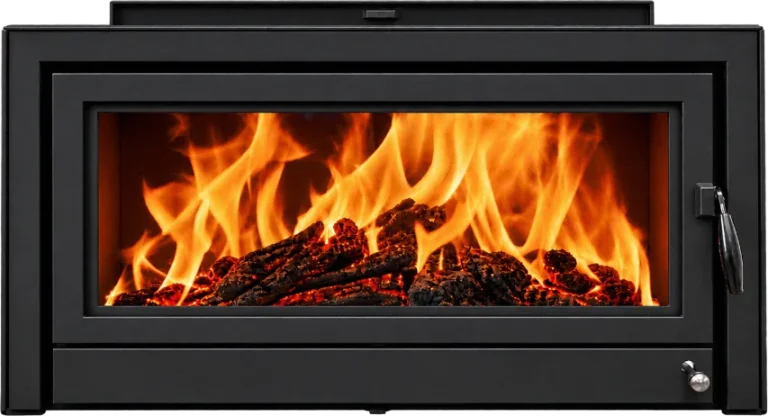
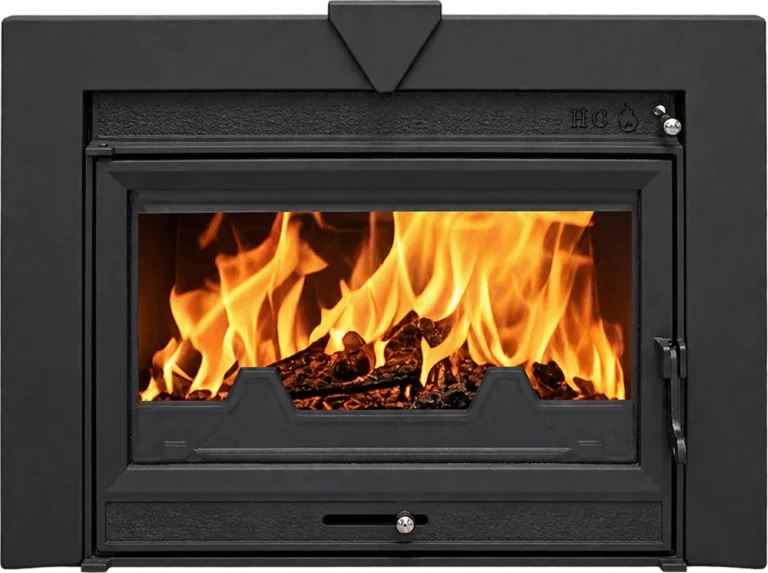
- Lares inset fireplaces install into masonry or cladding for a built-in look (100–200 m²).
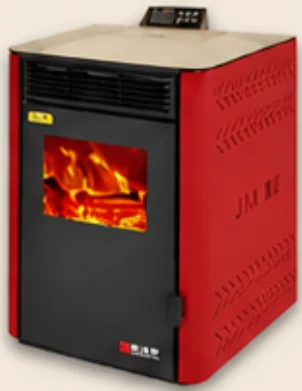
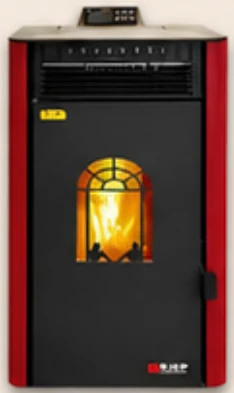
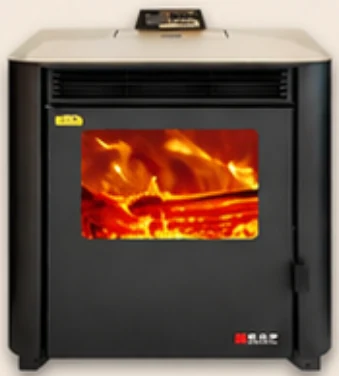
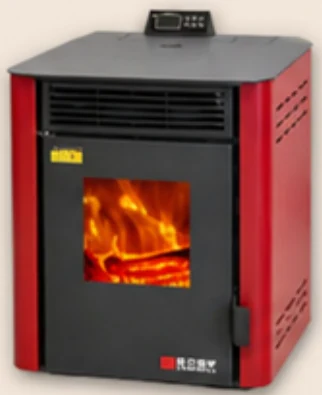
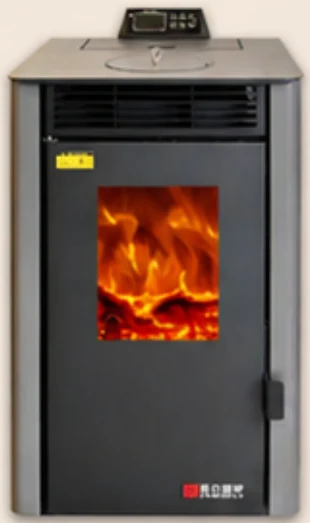
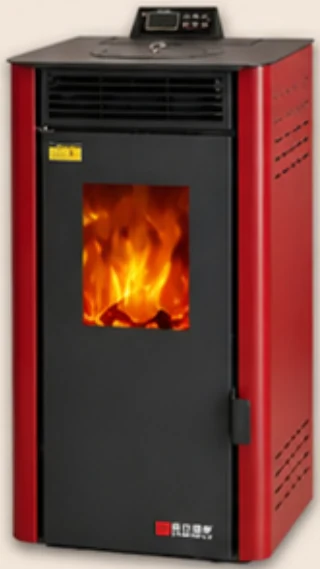
- Pellet stoves feed themselves from a 13–32 kg hopper and hold the temperature with a digital thermostat (80–200 m²).
Start with room size and layout
Match the heating area to the space, using the lower end of the range for older, poorly insulated houses and the upper end for modern homes. Open-plan rooms spread radiant heat well; separate rooms benefit from convection, which is where inset and pellet models do best. Our guide on how to size a wood stove explains the method in detail.
Then fuel and design
Customers who enjoy the ritual of a log fire and have access to firewood suit our wood models. Those who want automatic, programmable heat are better served by a pellet stove — see pellet stove vs wood stove. On design, steel suits modern interiors and cast iron suits rustic or classic ones; our comparison of cast iron vs steel wood stoves helps you advise either way.
For a new distributor, a balanced starter range usually includes two or three cast iron or steel models, one inset fireplace and one or two pellet stoves. Send us your market, price targets and documentation needs, and we will suggest a mixed first container.
Choosing by fuel and room size
Most buyers narrow down our wood burning stoves with two questions: which fuel, and how much space. Log burners suit customers with a reliable firewood supply who enjoy tending a fire. For rooms of 50–80 m², a compact cast iron model such as the VT 1 or VT 4 is usually enough; open-plan spaces of 150–200 m² call for the VS 2 or the Lares LA 4 insert.
Customers who prefer automatic, programmable heat should look at our pellet stoves, which run from a 13–32 kg hopper and use 1.3–3.5 kg of pellets per hour. Fuel quality matters here: advise customers to buy pellets certified under the ENplus scheme, ideally class A1, for less ash and fewer service calls.
What dealers get with every model
Selling wood burning stoves is easier when the information is ready. For each model, partners receive a data sheet with dimensions, weight, heating area and flue size, product photography for websites and showrooms, and multilingual product data. Installation manuals and dimensional drawings are shared after registration.
After-sales matters just as much. We keep spare parts such as gaskets, ceramic glass, grates, vermiculite panels and pellet electronics, so your technicians can service a stove quickly. Compare the Vesta cast iron collection with the Vesper steel stoves to see how the range fits together, then ask us for a starter assortment.